Valentine’s Day 2026: The Evolution of Romance, Rituals & Modern Surprises

Valentine’s Day has never been just another date on the calendar. It celebrates love in diverse forms, including romance, emotional intimacy, and personal connection. Across centuries, Valentine’s Day has adapted to shifting social norms, reflecting how people connect, communicate, and express affection in every era.
As we arrive at Valentine’s Day 2026, romance looks very different from what it once did. Modern relationships are shaped by digital connections, shifting social values, long-distance love, and a growing emphasis on emotional well-being. Love letters have transformed into heartfelt texts, handwritten notes into voice messages, and quiet admiration into public expressions shared across social media.
What was once a simple celebration between couples has now become a global cultural event—embracing partners, singles, friends, and even the powerful idea of self-love. Valentine’s Day today is less about grand gestures and more about meaningful moments, thoughtful surprises, and genuine emotional connection.
In this blog, we’ll explore how romance has evolved over time, the traditions and rituals that continue to define Valentine’s Day, and the modern surprises that make Valentines Day 2026 truly special in today’s fast-changing world.
What Is Valentine’s Day and Why It Matters Today
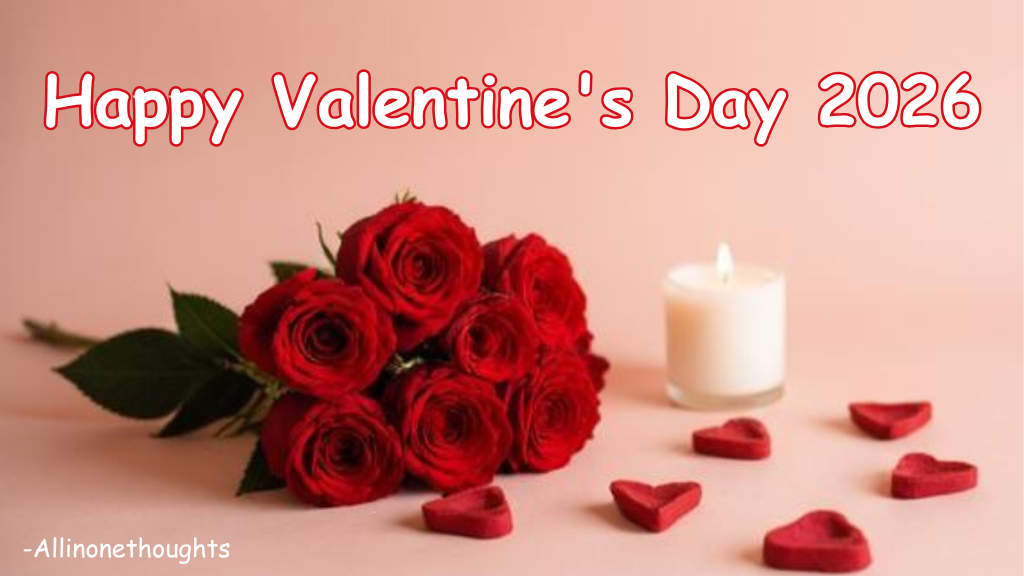
Valentine’s Day, celebrated on February 14, has long been a symbol of romantic love and heartfelt expression. Traditionally associated with couples exchanging flowers, cards, and chocolates, the occasion has steadily evolved to reflect changing relationships and lifestyles.
In 2026, Valentine’s Day carries a broader and deeper meaning. It is no longer confined to romance alone—it embraces emotional connections of all kinds, including friendships, family bonds, and the growing importance of self-care. As modern life becomes faster and more digitally driven, this day serves as a meaningful pause to reconnect, express gratitude, and nurture relationships that truly matter.
Today, Valentine’s Day represents:
- Genuine emotional connection in a fast-paced world
- Quality time and shared experiences over expensive gifts
- Inclusive expressions of love beyond traditional relationships
- Self-love, emotional balance, and mental well-being
- Personalized moments that feel authentic and intentional
This transformation reflects a cultural shift toward valuing sincerity, presence, and emotional depth over symbolic or material gestures. Valentine’s Day in 2026 is less about perfection—and more about meaningful connection.
The Historical Evolution of Valentine’s Day
Ancient Origins of Valentine’s Day
Valentine’s Day has its roots in ancient Rome, where mid-February was celebrated as Lupercalia, a festival linked to fertility and renewal. Over time, the day became associated with Saint Valentine, a Christian martyr believed to have performed secret marriages in the name of love.
His story of sacrifice and devotion gradually transformed the occasion into a symbol of romance and emotional connection, forming the foundation of modern Valentine’s Day.
Medieval Romance and Love Letters
During the Middle Ages, Valentine’s Day became closely linked with the idea of courtly love. Poets such as Geoffrey Chaucer popularized the belief that February 14 was the day birds chose their mates, adding a romantic meaning to the date.
Exchanging handwritten love letters, poetry, and symbolic tokens emerged as heartfelt ways to express affection. This period marked a turning point, transforming Valentine’s Day from a religious reference into a celebration of romance and emotional expression.
Commercialization in the 19th and 20th Century
The 19th century marked a major shift in Valentine’s Day celebrations with the introduction of mass-produced greeting cards, made possible by advances in printing technology. What was once a deeply personal exchange gradually became more accessible to the wider public.
By the 20th century, Valentine’s Day had evolved into a global commercial event, strongly associated with flowers, chocolates, jewelry, and luxury gifts. While this expansion made the celebration more popular worldwide, it also sparked criticism for focusing more on material gifts than genuine emotional connection.
Romance in 2026: How Love Has Changed
Romance in 2026 is shaped by modern lifestyles, technology, and emotional awareness. Love is no longer defined by rigid rules—it is flexible, inclusive, and deeply personal.
Digital Love and Technology in Modern Relationships
Technology plays a powerful role in shaping romantic relationships in 2026, making love more accessible across distances and lifestyles. Some key trends include:
- Dating apps and online matchmaking platforms helping people find compatible partners
- Video calls and virtual hangouts strengthening long-distance relationships
- Digital love notes, voice messages, and surprise texts for daily emotional connection
- Virtual date experiences such as online movie nights, games, and shared playlists
These digital tools allow couples to stay emotionally connected even when they are miles apart. In 2026, communication has become the strongest foundation of modern romance, proving that love thrives on understanding and connection—not just physical presence.
Emotional Intelligence Over Grand Gestures
In Valentine’s Day 2026, romance is more about:
- Understanding each other’s emotional needs
- Supporting mental health
- Spending uninterrupted quality time
- Creating shared memories
Small, thoughtful actions often matter more than expensive gifts.
Inclusive Love Culture
Modern Valentine’s Day celebrates all forms of love:
- Romantic partners
- Long-distance relationships
- LGBTQ+ couples
- Friendships and chosen families
- Self-love and self-care
This inclusivity makes Valentines Day 2026 more meaningful and relatable for everyone.
Valentine’s Day Rituals: Old Traditions vs New Practices
Traditional Valentine’s Day Rituals
Some classic rituals still hold emotional value:
- Exchanging roses as symbols of love
- Giving chocolates as sweet gestures
- Romantic dinners and candlelight dates
- Love letters and heartfelt notes
These traditions remain popular, but are often personalized in modern ways.
Modern Valentine’s Day Rituals in 2026
Today’s couples and individuals prefer experiences and emotional depth over routine rituals. Popular modern practices include:
- Experience-based celebrations (travel, workshops, concerts)
- Personalized gifts with emotional meaning
- Digital surprises like video messages or memory reels
- Wellness activities such as spa days or mindfulness sessions
Valentine’s Day is now more about how love is expressed, not just what is given.
Modern Surprises That Define Valentine’s Day 2026
Experience-Driven Celebrations
In 2026, shared moments and meaningful experiences are valued far more than material gifts. Popular Valentine’s Day experiences include:
- Romantic getaways or staycations
- Adventure dates like trekking or scuba diving
- Creative workshops such as pottery or painting
- Cooking experiences at home or with chefs
These moments turn into lasting memories that deepen emotional connection and strengthen relationships over time.
Personalized and Meaningful Gifts
Instead of generic presents, people now choose gifts that tell a story:
- Customized jewelry or keepsakes
- Photo books and memory journals
- Handwritten letters paired with modern design
- Gifts aligned with partner’s interests
Personalization adds emotional depth and authenticity.
Self-Love and Solo Celebrations
Valentine’s Day 2026 strongly promotes self-love. Many people celebrate by:
- Treating themselves to a special meal
- Taking a digital detox
- Practicing mindfulness or journaling
- Focusing on personal growth
This shift removes the pressure of relationship status and encourages emotional wellness.
Valentine’s Day 2026 for Long-Distance Relationships
For long-distance couples, Valentine’s Day 2026 is all about creativity and emotional connection powered by technology. Virtual candlelight dinners, online movie nights, surprise digital messages, and thoughtfully planned care packages help bridge the physical distance. Many couples also use this day to plan future visits or trips together, keeping hope and excitement alive. In 2026, love isn’t measured by proximity—it’s defined by emotional presence, effort, and meaningful connection.
Valentine’s Day Marketing Trends in 2026
In Valentine’s Day 2026, successful marketing goes beyond discounts and promotions. Brands are shifting toward emotion-driven storytelling, meaningful connections, and value-based messaging. Key trends shaping Valentine’s Day marketing include personalized customer experiences, eco-friendly and ethical gifting, and strong digital and social media engagement. Businesses that align their campaigns with modern emotions and authenticity are more likely to build trust, engagement, and long-term loyalty during Valentines Day.
Why Valentines Day Still Matters in 2026
Even as traditions evolve, Valentine’s Day in 2026 continues to hold deep emotional significance. In a world driven by speed, screens, and constant distractions, this day serves as a meaningful reminder to slow down and reconnect. It encourages people to openly express emotions that often go unsaid, strengthening bonds between partners, friends, and loved ones. Valentine’s Day also nurtures gratitude—reminding us to appreciate the presence, support, and love we receive throughout the year. More than a celebration, it creates intentional moments of connection that make relationships feel valued, seen, and emotionally fulfilled.
The Future of Valentine’s Day Beyond 2026
Looking ahead, Valentines Day will likely continue to evolve with:
- Greater focus on mental health and emotional well-being
- More digital and virtual experiences
- Increased inclusivity and diversity
- Sustainability-focused celebrations
Love will remain timeless, even as the ways we express it change.
Final Thoughts
Valentine’s Day 2026 is far more than a celebration of romance—it is a reflection of connection, emotional awareness, and meaningful human experiences. From its ancient roots to today’s digital expressions of love, Valentine’s Day has evolved alongside society, adapting to how we communicate, connect, and care for one another.
Whether it’s shared with a partner, celebrated among friends and family, or embraced as an act of self-love, the true spirit of Valentine’s Day lies in authenticity. Thoughtful gestures, emotional presence, and genuine understanding matter far more than grand displays or material gifts.
As traditions continue to transform with time, one truth remains unchanged—love, when expressed with honesty and heart, is timeless and never loses its power.