Mindfulness and Meditation: Transforming Life and Practical Tips for Beginners


Mindfulness and Meditation Transforming life:
In today’s fast-modern world, finding moments of peace, relaxation, and clarity can seem like an elusive dream. However, the practice of mindfulness and meditation offers a pathway to a calmer, more centered existence. Whether you’re seeking to reduce stress, improve focus, or simply live more fully in the present moment, mindfulness and meditation can be transformative. This blog will explore the benefits of these practices and provide practical tips for beginners to get started on their journey in mindfulness.

Understanding Mindfulness and Meditation:
Mindfulness is the practice of being fully present and engaged in the present moment, being aware of your thoughts, feelings, emotions, and surroundings without judgment. It’s about looking at the world with a spirit of curiosity and openness.
Meditation is a structured practice that involves focusing the mind to achieve a state of relaxation, concentration, peace of mind, and heightened awareness. It often includes techniques such as deep breathing, visualization, and mantra repetition.
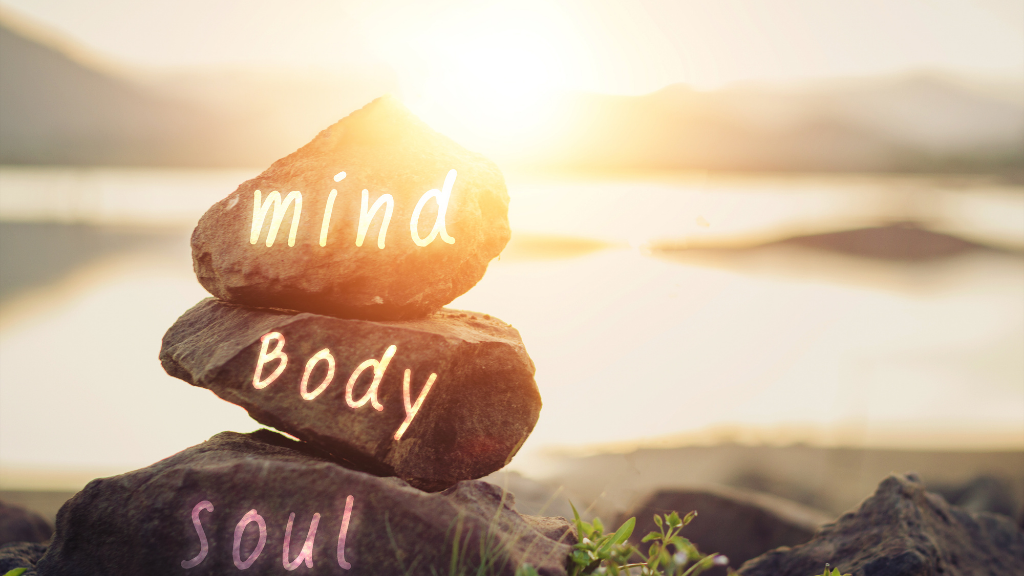
Benefits of Meditation and Mindfulness:
Reduces Stress and Anxiety: Regular mindfulness and meditation practices can significantly lower stress levels and alleviate symptoms of anxiety by promoting relaxation and helping you manage your reactions to stressors.
Improves Focus and Concentration: These practices train your mind to maintain attention on a single point of focus, enhancing your ability to concentrate and stay on your task.
Enhances Emotional Health: Mindfulness helps you develop a greater awareness of your emotions, leading to improved emotional regulation and a more positive outlook on life.
Promotes Better Sleep: Meditation can relax your mind and body, making it easier to fall asleep and enjoy deeper, more restorative rest.
Boosts Physical Health: Studies have shown that mindfulness and meditation can lower blood pressure, improve heart health, and strengthen the immune system.
Enhanced Mental Health: Meditation is a work on enhanced emotional and psychological health that results from regular mindfulness and meditation practices. Meditation helps to reduce stress and anxiety, increase resilience, improve mood, and have a clearer, calmer mind, all of which contribute to a healthier and more balanced mental state.
Reduced symptoms of depression: Regular meditation can reduce symptoms of depression by reducing contemplation and promoting a more positive outlook on life. It provides tools for managing negative thinking patterns and creating flexibility.
Better decision-making abilities: Regular meditation can sharpen cognitive abilities like decision making and problem solving. By increasing focus, clarity, and mental flexibility, mindfulness enables you to make more informed and effective choices in various aspects of your life.
Practical Tips for Beginners:
Starting a mindfulness and meditation practice can feel daunting, but with a few simple steps, you can integrate these practices into your daily routine.
- Start Small: Start meditation with just a few minutes each and every day. Even 5–10 minutes of mindfulness or meditation can make a difference. As you become more comfortable with meditation, you will gradually increase its duration.
- Set Up a Special Space: Choose a quiet, comfortable area where you can practice undisturbed. This could be a corner of a room, a comfortable chair, or a peaceful place in the garden.
- Set a routine: Consistency is key. Try to practice at the same time each day, whether it’s first thing in the morning, during a lunch break, or before bed.
- Use guided meditations: If you’re new to meditation, guided meditations can be incredibly helpful. Apps like Headspace, Calm, and Insight Timer offer a wide range of guided sessions for beginners.
- Focus on Your Breath: A simple way to start meditating is by focusing on your breath. Notice the feeling of the air as it flows in and out of your body. If your mind starts to drift, calmly redirect your attention back to your breath.
- Be patient with yourself: It’s normal for your mind to wander or for you to feel restless at first. Don’t judge yourself or get discouraged. Simply acknowledge these feelings and gently return to your practice.
Incorporate mindfulness into daily activities. You don’t have to be sitting still to practice mindfulness. Try being fully present while eating, walking, or doing household chores. Notice the sensations, smells, and sounds around you.

Conclusion:
Mindfulness and meditation are powerful tools that can help you navigate the complexities of modern life with greater ease and clarity. By starting small and being consistent, you can develop a practice that brings profound benefits to your mental, emotional, and physical health. Remember, the journey of mindfulness and meditation is personal and unique—embrace it with curiosity and kindness towards yourself.