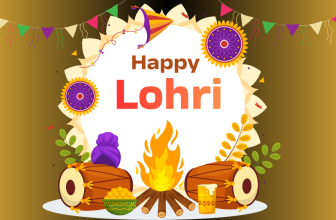
Holi, also known as the festival of colors, is one of the most joyous and widely celebrated festivals of India. It symbolizes the victory of good over evil, the advent of spring, the spirit of love and togetherness. Holi is not only a festival of colors but also has deep religious, social and cultural significance. We celebrate Holi in two main parts – Holika Dahan, also known as Chhoti Holi, and Rango wali Holi, which people celebrate with great enthusiasm by throwing colors on each other. Here we will discuss the date of Holi 2025, auspicious time of Holika Dahan, its history, significance, puja rituals and best ways to celebrate it.
When is Holi 2025?
Holi is celebrated every year on the full moon day of Phalguna month, which usually falls in February or March.
When is 2025 Holi?
Holika Dahan: March 13, 2025 (Thursday) Holi of colors: March 14, 2025 (Friday)
Holika Dahan is performed a day before Holi, in which Holika is burnt using wood and cow dung cakes. The next day is Rangwali Holi (Dhulendi), in which people play with colors of gulal and water and enjoy festive delicacies.
When is Holika Dahan 2025?
Holika Dahan is performed in the evening a day before the main celebration of Holi. In 2025, Holika Dahan will be celebrated on March 13 (Thursday), followed by Rangwali Holi on March 14 (Friday). Holika Dahan is performed on the full moon day of Phalguna month.
When will Holika Dahan be Performed in 2025?
Holika Dahan Date: March 13, 2025, Thursday Purnima Tithi Start: March 13, 2025 at 10:10 am Purnima Tithi End: March 14, 2025 at 08:50 am
During this time, people worship Holika and wish to remove negativity from their lives. And seek blessings for happiness and prosperity.
Holika Dahan 2025 Shubh Muhurta
Holika Dahan is performed in the auspicious time, which is determined according to the Hindu calendar and astrology. According to the scriptures, it is always considered auspicious to burn Holika during a time free from Bhadra because burning Holika during an inauspicious time can have negative effects. It has been said that Bhadra will start on 13th March at 10:03 am and will end at 10:35 pm. Burning Holika during Bhadra Kaal is considered forbidden. Therefore, after the end of Bhadra, Holika will be burnt on 13th March from 10:35 pm to 11:26 pm.
Why is Holi Celebrated? Its History and Mythology
The history of Holi is linked to ancient times and its historical and mythological significance is very deep. There are many religious stories and beliefs behind it, this festival is mainly associated with the story of Prahlad and Holika, which symbolizes the victory of devotion and religion over ego and evil.
1. The Story of Prahlad, Holika and Hiranyakashipu According to Hindu mythology, in ancient times there was an Asura king named Hiranyakashipu, who was very proud of his power. He declared himself God and asked everyone to worship him. But his son Prahlad was an ardent devotee of Lord Vishnu and did not obey his father. This made Hiranyakashyap very angry and he tried many ways to kill devotee Prahlad, but Lord Vishnu always protected him.
Finally, the king took the help of his sister Holika, who had the boon that fire cannot burn her. She sat down with Prahlad in her lap, but by the grace of Lord Vishnu, Holika was burnt to ashes and Prahlad was saved safely. This is why Holika Dahan is done a day before Holi, which symbolizes the victory of good over evil.
2. Radha-Krishna and Holi Connection Another famous story related to Holi is related to Lord Krishna and Radha Rani. Lord Krishna and Radha’s Holi is very famous. It is believed that Krishna, who had a dark complexion, was worried about his complexion that Radha, who had a fair skin, would not accept him. Mother Yashoda jokingly told him to put color on Radha’s face, so that both of them become the same color. So Shri Krishna followed her advice and put color on Radha, since then the tradition of playing with colors on Holi started.
After this incident, even today Radha-Krishna’s Holi is played specially in Vrindavan, Barsana and Mathura. Barsana, Vrindavan, Mathura are still famous for their Lathmar Holi and Phool Wali Holi, which symbolize the love of Radha and Krishna.
What is the Significance of Holi?
Holi is not just a festival of colors, the significance of Holi is very deep and old religiously, socially and culturally. It is a symbol of love, brotherhood and joy.
Why is Holi an important festival, know:
1. Victory of Good Over Evil Holika Dahan teaches us that no evil power can last for long, and goodness and truth will win in the end.
2. Welcoming Spring Holi symbolizes the end of winter and the beginning of spring, which brings a sense of warmth, happiness and renewal. Crops are also ready at this time, which brings enthusiasm among farmers.
3. Strengthening Relationships Holi is a festival of forgiveness and new beginnings. People forget their past grievances and mend their broken relationships and celebrate Holi together.
4. Unity and Love in Society People of all castes, religions and classes play Holi together, which increases brotherhood in the society. On this day, everyone applies colors to each other and distributes sweets, which increases unity.
5. Religious and Spiritual Significance Devotees pray on Holika Dahan to remove negativity from their lives and seek blessings for happiness and prosperity.
How to Celebrate Holika Dahan 2025?
Holika Dahan is a special part of Holi festival and is celebrated with religious rituals, here are the ways to celebrate it:
1. Gathering Wood and Setting Up Bonfire A large pile of wood, cow dung cakes, dry leaves and twigs is collected in open spaces, which symbolizes Holika.
2. Worship of Holika and Prahlad People worship Holika before lighting the fire, offering roli, akshat, coconut, wheat, moong dal, flowers, cow dung cakes and sweets.
3. Lighting the Fire The bonfire is lit during the auspicious muhurat, and devotees circumambulate it while praying.
4. Burning Negativity Take a pledge to give up negativity and bad habits at this time.
How to Celebrate Holi 2025?
The day after Holika Dahan, Rangwali Holi or Dhulivandan is celebrated with colours, music and dance. People apply gulal (dry colours) on each other and sprinkle coloured water, which symbolizes happiness and friendship. Rangwali Holi is celebrated in the following manner:
1. Applying Colours Friends and family members apply dry and wet colours to each other, which symbolizes happiness and togetherness.
2. Music, Dance and Cultural Performances Holi seems incomplete without Bollywood songs, folk music and dance. People play dhols and celebrate Holi with great enthusiasm.
3. Community Celebrations and Festivities Public events, Holi parties and temple festivals bring people together and give a joyful experience.
4. Use Herbal Colors Apply oil or moisturizer to protect your skin and hair before playing Holi, use natural and herbal colours to avoid skin allergies.
What are the Traditional Holi Dishes?
Holi is incomplete without delicious festive dishes, special dishes include:
Gujiya: Sweet dumplings filled with khoya and dry fruits are a special Holi dessert.
Thandai: Thandai is fresh milk made with dry fruits and saffron which is a special dish on this festival.
Puran Poli: A traditional Maharashtrian sweet bread which is special on this festival.
Dahi Vada: Lentil dumplings soaked in yogurt and spices.
Chaat and Savoury Snacks: Golgappas, Papdi Chaat, Kurkure and Pakodas make this festival even more special.
Where are the Famous Holi Celebrations in India?
Holi is celebrated with great joy and enthusiasm all over India, but some places celebrate it in a special and unique way, the main places of which are:
1. Holi of Mathura and Vrindavan In Mathura and Vrindavan, Radha and Krishna’s Holi is celebrated with grand processions, colors and devotional music.
2. Lathmar Holi of Barsana In Barsana, women beat men with sticks and men try to save themselves, this is famous as Radha and Krishna’s Lathmar Holi.
3. Basant Utsav of Shantiniketan In West Bengal, Holi is celebrated as Basant Utsav, where people wear yellow clothes, celebrate the festival with music, dance, colors and flowers.
4. Hampi Holi in Karnataka Unlike other South Indian states, Hampi Holi in Karnataka is celebrated with grandeur, music and traditional folk dances.
Holi 2025 is not just a festival of colours but a festival of joy, love and togetherness. On this day, good won over evil, hence this day is considered to symbolize the victory of good over evil. On Holika Dahan, let go of negativity and embrace positivity and play with colours and enjoy sweets on Holi.
So, get ready to celebrate Holi with enthusiasm and lots of colours on March 14, 2025.
Happy Holi!
FAQs on Holi 2025
Q.1. What is the date of Holika Dahan in 2025? Ans. Holika Dahan will be celebrated on March 13, 2025 (Thursday).
Q.2. When is Rangwali Holi in 2025? Ans. Rangwali Holi will be celebrated this year on Friday, March 14, 2025.
Q.3. What is the significance of Holika Dahan? Ans. Holika Dahan symbolizes the victory of good over evil and is based on the legend of Prahlad and Holika.
Q.4. How can I celebrate an eco-friendly Holi? Ans. Use natural colors, avoid wastage of water and celebrate with organic gulal and flowers.
Q.5. What are some traditional Holi sweets? Ans. Gujiya, Thandai, Malpua, Puran Poli and Dahi Bhalla are popular Holi dishes.